Rinjani Volcano Trekking – A Complete Guide for European Adventurers
Why Rinjani Volcano Trekking Is Europe’s New Favorite Volcano Adventure
Rinjani Volcano Trekking is rapidly becoming one of the most talked-about hiking experiences among European travelers seeking raw landscapes, authentic culture, and physical challenge beyond the Alps.
Located in Mount Rinjani on the island of Lombok, this active volcano rises 3,726 meters above sea level, making it the second-highest volcano in Indonesia. Unlike typical European trekking routes, Rinjani offers a dramatic combination of volcanic ridges, crater lakes, tropical forests, and panoramic ocean views in a single journey.
For hikers from Germany, France, the Netherlands, or the UK, this trek feels like stepping into another world.
Understanding the Terrain: What Makes This Trek Unique?
A Real Volcano Experience
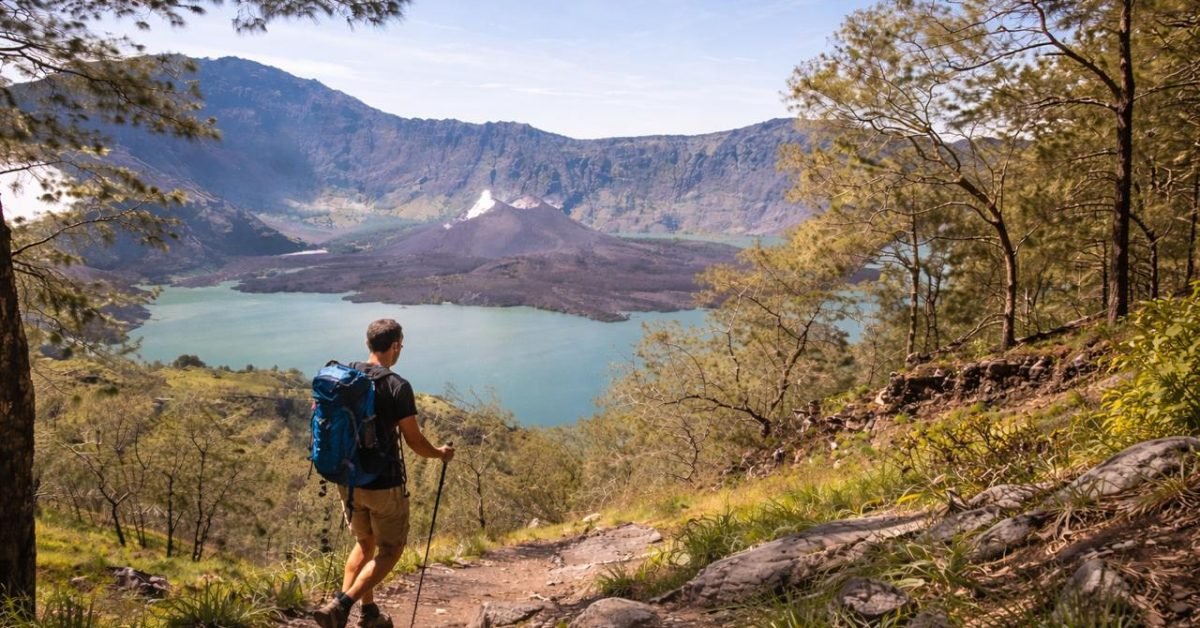
Rinjani is not just a mountain. It is an active volcano with a massive caldera and the stunning Segara Anak crater lake inside it. The landscape constantly shifts between:
Dry volcanic gravel ridges
Savanna hills
Dense rainforest
Steep summit slopes
This diversity is rarely found in European mountain systems.
High Altitude Without Snow
Unlike the Alps, Rinjani offers high-altitude trekking in a tropical climate. Temperatures range from:
25°C in the forest
5–8°C near the summit at night
This creates a completely different trekking dynamic for European hikers used to snow or glaciers.
Rinjani Volcano Trekking Routes Explained
Summit Route (2 Days / 1 Night)
Best for:
Experienced hikers
Limited holiday time
Strong physical condition
Route:
Sembalun → Crater Rim → Summit → Return
This is intense, steep, and rewarding.
Crater Rim Route (2 Days / 1 Night)
Best for:
Moderate fitness
Scenic sunrise views
Less technical hiking
You stay at the crater rim and enjoy panoramic sunrise without pushing to the summit.
Full Exploration (3 Days / 2 Nights)
Best for:
European travelers wanting a complete experience
Photographers
Adventure lovers
Includes:
Summit attempt
Crater lake descent
Natural hot springs
Complete caldera crossing
This route provides the deepest immersion into Rinjani Volcano Trekking.
Best Time for European Travelers
Rinjani Volcano Trekking season runs from April to December.
Ideal months:
May
June
July
September
October
European summer (June–August) is peak season. Advance booking is highly recommended.
Avoid:
January to March (heavy tropical rain
How Difficult Is Rinjani Volcano Trekking?
Difficulty Level: 7.5/10
Challenges include:
Loose volcanic sand near summit
Long uphill stretches
Early summit push (2–3 AM start)
However, most European hikers with moderate fitness and preparation successfully complete the trek.
Preparation tips:
Cardio training 4 weeks before travel
Hill walking practice
Proper hiking boots
Lightweight backpack
Safety and Professional Guidance
Rinjani trekking regulations require hikers to use licensed guides through the national park system.
Professional operators provide:
Experienced mountain guides
Porters
Camping equipment
Meals
Safety coordination
European travelers appreciate structured logistics and safety standards — which reputable Rinjani operators deliver.
Cultural Experience Beyond the Mountain
Rinjani is sacred to the local Sasak people. Trekking here is not only an adventure but a cultural journey.
Before your trek, you may explore:
Traditional villages
Local Lombok cuisine
Waterfalls near the foothills
This combination of culture and volcano adventure makes Rinjani Volcano Trekking different from purely alpine experiences.
Is Rinjani Worth It for European Hikers?
Absolutely.
Compared to:
Crowded Alpine routes
Over-commercialized trails
Expensive European mountain tours
Rinjani offers:
Authentic wilderness
Tropical biodiversity
Affordable guided trekking
A once-in-a-lifetime summit sunrise
For Europeans seeking something beyond the ordinary, this is a powerful alternative.