Rinjani Trek: Complete Guide to Hiking Mount Rinjani in 2026
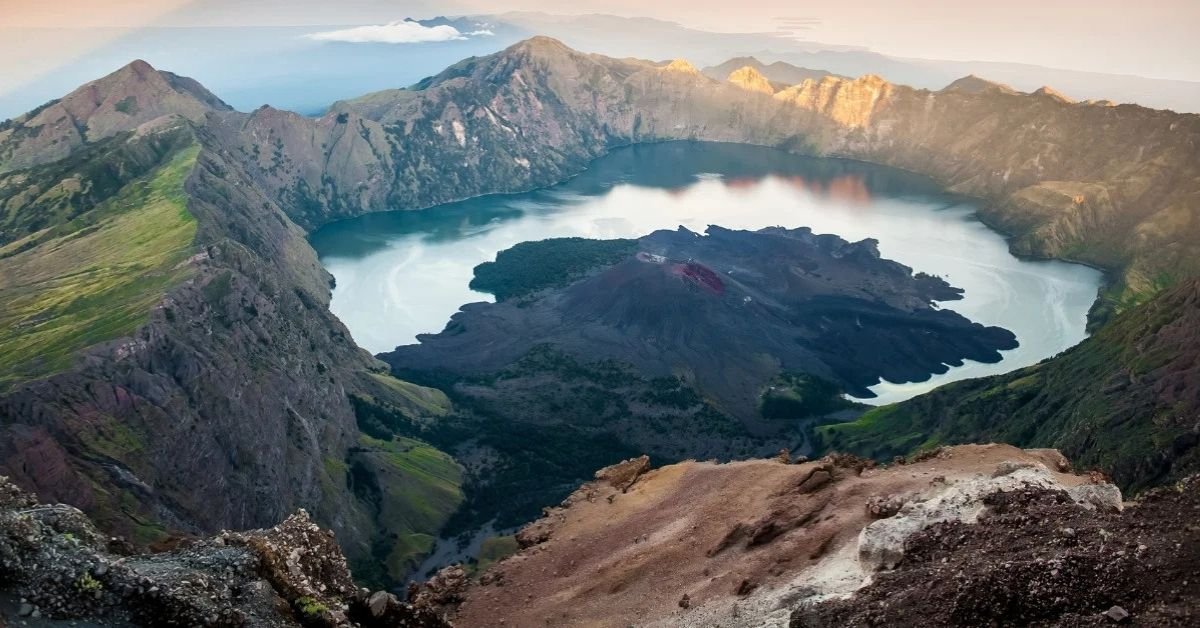
The Rinjani Trek is one of Southeast Asia’s most rewarding mountain adventures. Located in Mount Rinjani on the island of Lombok, this active volcano stands at 3,726 meters above sea level, making it the second-highest volcano in Indonesia.
Every year, thousands of hikers from Europe, Singapore, Australia, and beyond travel to Lombok to experience the dramatic crater views, the turquoise Segara Anak Lake, and the unforgettable sunrise from the summit.
If you’re planning your Rinjani Trek in 2026, this complete guide will help you understand routes, difficulty levels, best seasons, permits, and preparation tips.
Why Choose the Rinjani Trek?
1. Spectacular Summit Views
Reaching the summit rewards you with panoramic views of Lombok, Bali, and even Sumbawa on clear days.
2. Segara Anak Crater Lake
One of the most iconic highlights is Segara Anak, a massive crater lake with natural hot springs nearby.
3. Diverse Trekking Routes
From beginner-friendly crater rim hikes to challenging summit climbs, Rinjani offers options for different fitness levels.
4. Authentic Camping Experience
Most treks include overnight camping on the crater rim, offering stargazing and sunrise views.
Popular Rinjani Trek Routes
1. Sembalun Route (Best for Summit)
The Sembalun route is the most popular choice for summit seekers. It offers wide savanna landscapes and a gradual incline before the steep summit push.
Best for: 2 Days 1 Night Summit Program
Difficulty: Moderate to Challenging
2. Senaru Route (Scenic Crater Rim)
The Senaru route is known for dense tropical forests and direct access to the crater rim.
Best for: 2 Days 1 Night Crater Rim
Difficulty: Moderate
3. Torean Route (Adventure Trail)
The Torean trail is famous for river crossings, waterfalls, and dramatic landscapes.
Best for: 3 Days 2 Nights
Difficulty: Challenging
Rinjani Trek Difficulty Level
The Rinjani Trek is not a casual hike. It requires:
Good physical fitness
Strong legs for steep ascents
Mental endurance for summit night climbs
Proper trekking gear
The summit push usually starts at 2:00–3:00 AM and involves loose volcanic sand terrain.
If you regularly exercise (gym, cardio, hiking), you will adapt faster.
Best Time to Do the Rinjani Trek
The official trekking season usually runs from April to December.
Best months:
May to October (Dry Season)
June to September (Peak Season)
Avoid the rainy season (January–March) due to slippery trails and safety concerns.
Rinjani Trek Package Options
Most travelers book through licensed trekking companies. Standard packages include:
National park permit
Licensed guide
Porters
Tent & camping equipment
Meals & drinking water
Transportation (pickup & drop-off)
There are typically three main programs:
2 Days 1 Night Summit
For experienced hikers wanting a short but intense adventure.
2 Days 1 Night Crater Rim
Suitable for those who want views without summiting.
3 Days 2 Nights Full Trek
The most complete experience including lake and hot springs.
What to Pack for Rinjani Trek
Essential items:
Hiking shoes with strong grip
Warm jacket (temperature can drop below 5°C at summit)
Gloves & beanie
Headlamp
Small backpack
Personal medication
Avoid overpacking. Porters usually carry shared camping equipment.
Safety Tips for Rinjani Trek
Choose a licensed trekking company.
Don’t underestimate the summit climb.
Stay hydrated.
Follow your guide’s instructions.
Respect the mountain and carry your trash back.
Is the Rinjani Trek Worth It?
Absolutely.
The Rinjani Trek offers a rare combination of physical challenge, raw volcanic landscapes, and rewarding summit views. It’s not just a hike — it’s a transformative outdoor experience.
For adventure travelers looking for something beyond typical tropical tourism, Mount Rinjani delivers one of Indonesia’s most memorable trekking journeys.