Mt Rinjani Trekking: The Ultimate Adventure Guide to Lombok’s Iconic Volcano
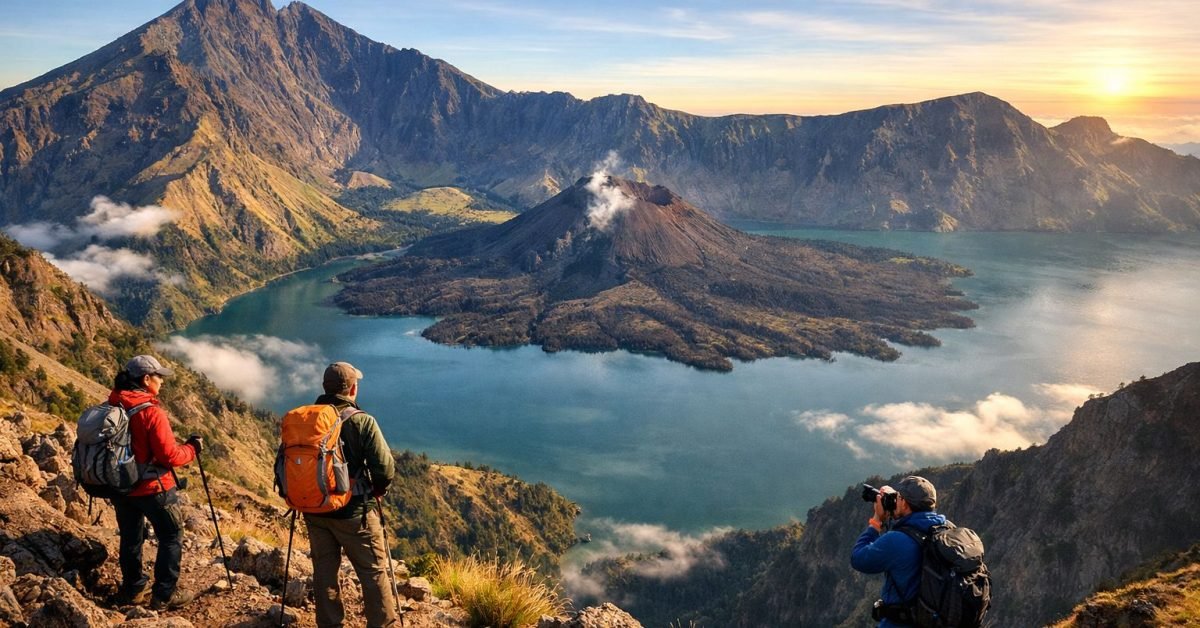
Mt Rinjani Trekking is more than just a mountain hike — it is a journey into one of Southeast Asia’s most powerful volcanic landscapes. Located inside Mount Rinjani National Park on Lombok Island, this 3,726-meter volcano stands as the second-highest mountain in Indonesia and one of the most rewarding trekking destinations in Asia.
Unlike ordinary hikes, Mt Rinjani Trekking combines crater rim views, a turquoise volcanic lake, hot springs, and a dramatic summit climb — all within one expedition. Whether you are a first-time adventurer or a seasoned hiker, understanding the routes, preparation, and logistics is crucial for success.
This guide explains everything in a structured and practical way so you can prepare with confidence.
Why Mt Rinjani Trekking Is Different from Other Volcano Hikes
Mt Rinjani is not a simple “up and down” volcano. It offers a multi-layered trekking experience:
1. A Massive Caldera Landscape
The mountain features a giant caldera with Segara Anak Lake at its center. Few volcanoes in the world allow trekkers to descend into the crater and camp beside a lake.
2. A Challenging Summit Push
The final ascent begins around 2:00–3:00 AM and involves steep volcanic sand terrain. Mental endurance is as important as physical strength.
3. Multi-Day Expedition
Unlike Mount Batur (which can be completed in half a day), Mt Rinjani Trekking usually requires 2 to 4 days.
Mt Rinjani Trekking Routes Explained Clearly
There are three main trekking routes. Each offers a different experience.
Senaru Route – Scenic and Gradual
Starting elevation: ~600m
Best for: Scenic views and first-timers
Highlights: Waterfalls, crater rim panorama
The Senaru route offers forest landscapes before reaching the crater rim overlooking Segara Anak Lake.
Sembalun Route – Summit Focused
Starting elevation: ~1,100m
Best for: Summit seekers
Highlights: Savannah, open views, direct summit access
This is the most popular route for Mt Rinjani Trekking because it provides the most efficient access to the summit.
Torean Route – Wild and Natural
Best for: Adventurous hikers
Highlights: River valleys, waterfalls, less crowded
The Torean route is becoming increasingly popular for trekkers who want a more raw and dramatic descent.
Mt Rinjani Trekking Duration Options
2 Days 1 Night
Summit focus only
Very physically demanding
Suitable for very fit trekkers
3 Days 2 Nights (Most Recommended)
Summit + Crater Rim + Lake
Balanced pace
Best overall experience
4 Days 3 Nights
Slower pace
Ideal for photography and relaxed trekking
For most travelers, the 3D2N option provides the best balance between challenge and enjoyment.
Best Time for Mt Rinjani Trekking
Mt Rinjani is officially open during the dry season:
April to November: Ideal trekking months
July to September: Peak season
January to March: Closed due to heavy rain
Weather conditions directly impact summit safety. Always check official park updates before planning.
Physical Preparation for Mt Rinjani Trekking
Mt Rinjani is not a casual hike. Preparation is key.
Cardio Training
Jogging 3–4 times per week
Stair climbing practice
Hiking with weight
Leg Strength
Squats
Lunges
Core exercises
Since you regularly train at the gym 5 times a week, you already have a strong advantage. Add endurance-based cardio sessions to simulate summit conditions.
What to Pack for Mt Rinjani Trekking
Essential Items:
Trekking shoes (non-slip)
Warm jacket (temperature can drop to 2–4°C)
Headlamp
Gloves and beanie
Refillable water bottle
Avoid overpacking. Your energy is more important than unnecessary gear weight.
Permit and Guide Requirements
All Mt Rinjani Trekking participants must:
Register with the national park
Pay entrance fees
Use licensed local guides
Independent trekking without a guide is not recommended due to safety and regulation policies.
How Difficult Is Mt Rinjani Trekking?
Difficulty Level: 7.5/10
The summit section is the hardest part due to:
Loose volcanic sand
Steep incline
Cold early-morning temperatures
However, mental preparation often determines success more than physical strength.
Estimated Cost of Mt Rinjani Trekking
Prices vary depending on:
Route
Duration
Group size
Service level
Average package range:
Budget: $180 – $250
Standard: $250 – $400
Premium/Private: $400+
Higher-priced packages usually include better camping equipment and experienced guides.
Safety Tips for a Successful Mt Rinjani Trekking Experience
Start slow on Day 1
Drink at least 3 liters of water daily
Eat even if you feel tired
Follow guide instructions
Respect mountain weather
Mt Rinjani rewards discipline and preparation.
Is Mt Rinjani Trekking Worth It?
Absolutely.
Few treks in Southeast Asia combine:
High-altitude summit
Crater lake descent
Hot springs
Multi-day expedition
The emotional reward at sunrise from the summit is unforgettable.